

Students begin their studies at Thapar Institute of Engineering & Technology and continue their master’s abroad after three years, gaining international academic exposure, access to world-class research environments, and a globally valued degree experience. One of our key partners in this initiative is George Mason University, with whom we run a 3+2 accelerated bachelor's/master's pathway. Students complete their B.Tech. at Thapar Institute of Engineering and Technology, then transition to George Mason for a master's degree, earning both credentials in five years instead of the standard six. In a similar vein, our collaboration with Tel Aviv University (TAU), follows the same 3+2 pathway, with a strong research focus - students work in TAU labs under leading faculty, write thesis, and also receive scholarships covering full tuition fee plus part of their living costs.
TAKE A LOOKBiotechnology
At Thapar
Biotechnology is reshaping the future of healthcare, agriculture, food systems, and sustainable manufacturing. At Thapar Institute of Engineering & Technology, students learn to harness biology and engineering to solve these global challenges through discovery, innovation, and entrepreneurship. The Department of Biotechnology welcomed its first doctoral scholars in 1993. Since then, it has grown into one of India’s leading centres for biotechnology education and research, offering undergraduate, postgraduate, and doctoral programmes while building strong collaborations with universities and research institutions across the world. Ever since its establishment, the Department of Biotechnology has refined itself to keep pace with emerging technologies and evolving industry needs while building an educational environment that prepares students to thrive in a fast-changing world. The department emphasizes scientific inquiry, interdisciplinary problem-solving, and experiential learning. Laboratory research, computational biology, bioinformatics, and project-based learning are integrated throughout the curriculum, giving students hands-on experience with modern instrumentation, advanced bioprocesses, molecular biology, and genetic engineering. Whether pursuing careers in pharmaceuticals, healthcare, industrial biotechnology, agriculture, or research, graduates leave with the scientific foundation and practical skills to contribute from day one. Guided by an experienced, research-active faculty - the department stays true to its founding purpose: producing globally competent graduates with creative skills and ethical values, ready for the pace of change in biotechnology. Just as central is our commitment to quality education and research that doesn't stay confined to the lab, but reaches outward, translating into real, tangible benefit for the society.
Academic Programs
What’s Trending in the field of Biotechnology?
By Dr. Neeta Lohani
Every biotechnologist knows the arithmetic of the bench. A protein takes months to crystallise, a compound screen takes a year, a field trial takes a season. For most of the discipline’s history, the rate of discovery was set by the rate at which experiments could be run. That constraint has loosened. Models predict protein structure from sequence in an afternoon. Candidate drugs and vaccine epitopes are triaged before a single synthesis. Genomic and field data are combined to decide which crosses to make. Fermentation and waste treatment are tuned computationally. None of this makes the laboratory redundant. A model proposes, and an experiment validates. What has changed is the order of the work: computation narrows the field first, so the experiments that follow are better chosen. This shows up directly in how the department is built. Faculty appointments span genomics and bioinformatics, structural biology, and membrane protein transport. The current curriculum itself reflects this shift: alongside core biotechnology, students take computer programming as a required subject, not just as an elective add-on. Research within the department is organized around areas where computation and experimentation already run together; industrial biotechnology, plant molecular biology, cancer biology, genomics, and pharmaceutical sciences, the fields where a model's prediction and a bench result are two steps in the same pipeline, not two separate disciplines. That is the graduate the Department of Biotechnology sets out to produce, equally skilled at building the model and running the experiment that tests it.

Research
Highlights

Leadership
Global Academic Leadership
Summit 2026
A high-level forum uniting global academic leaders to shape the future of higher education and research.
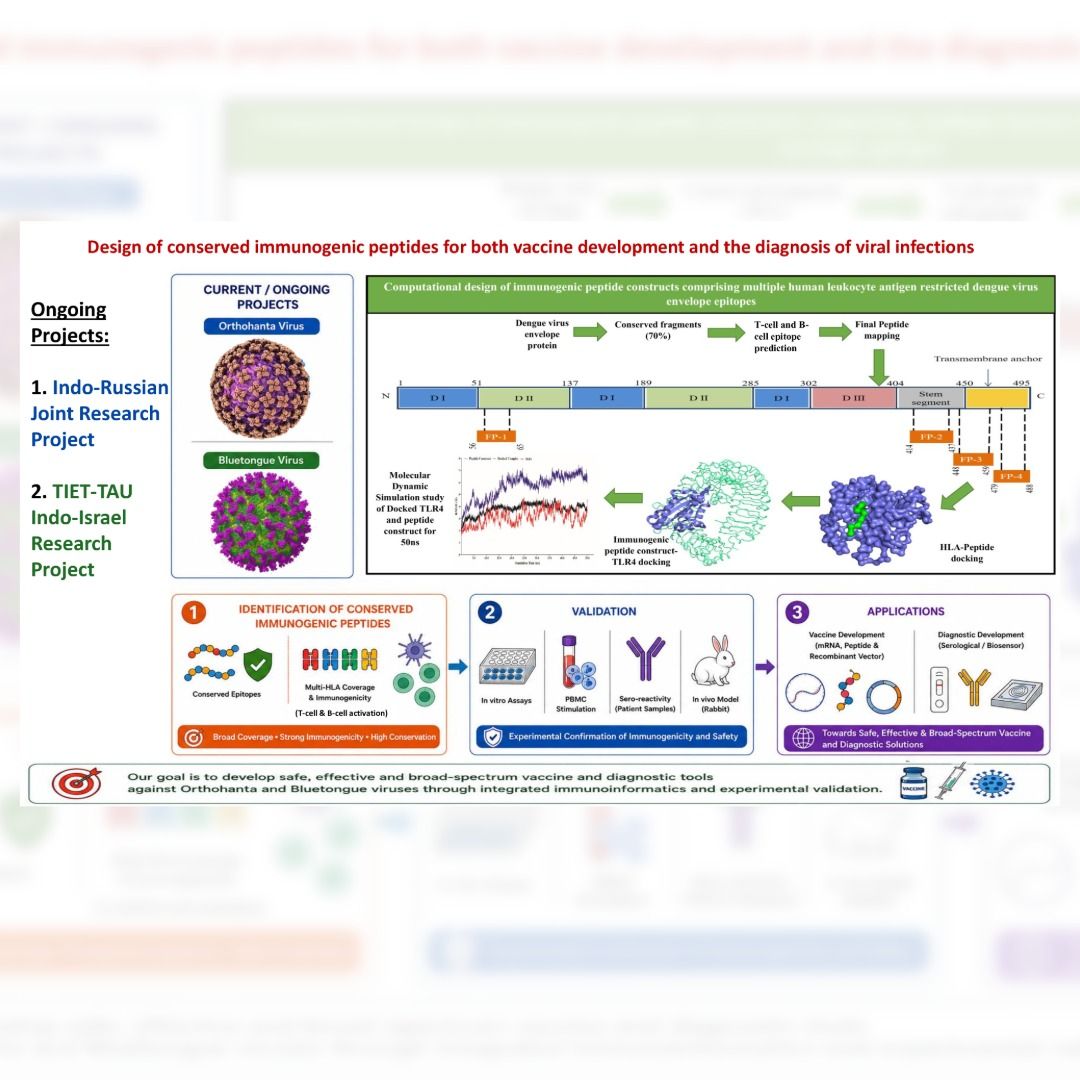
Peptide diagnostics for orthohantavirus, an India and Russia bilateral project
Conserved immunogenic peptides of the orthohantavirus nucleocapsid protein designed computationally and validated in the laboratory as a serodiagnostic test.
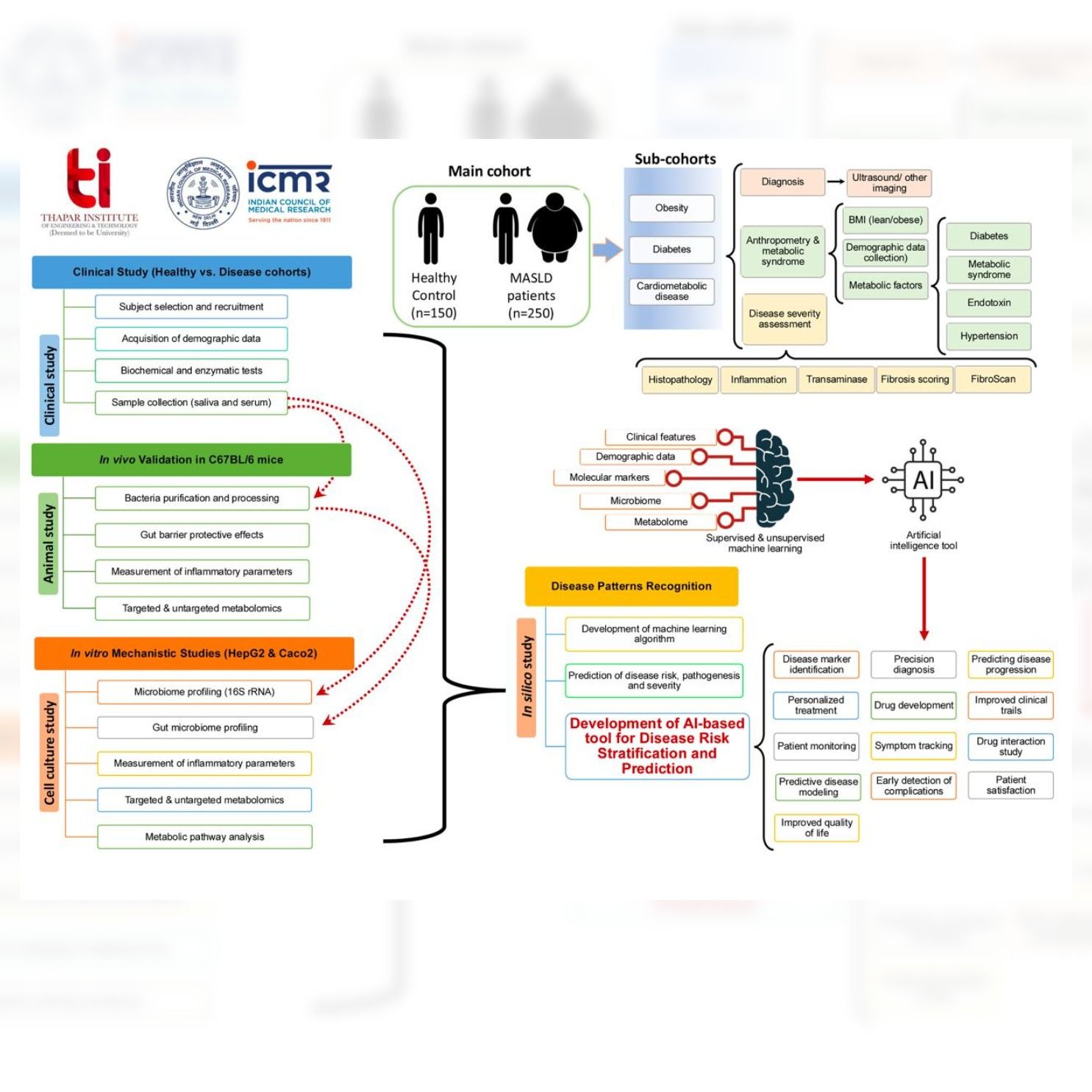
An AI tool to predict metabolic liver disease from the oral microbiome
Oral microbiome and metabolome signatures developed into an open-source tool that predicts long-term risk of MASLD associated diabetes across populations.
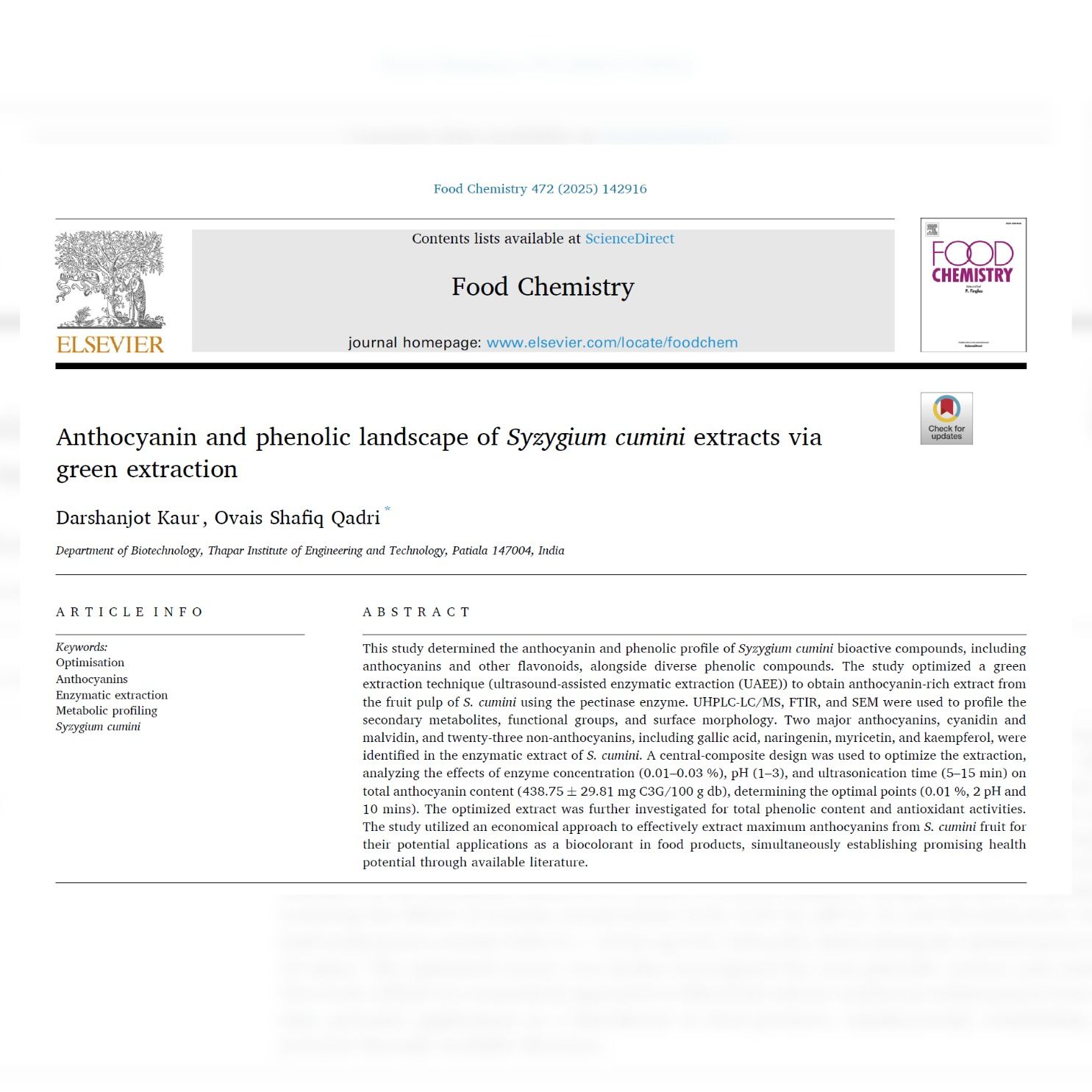
Green extraction of natural colour from jamun
Ultrasound and enzyme assisted extraction recovers anthocyanins and phenolics from Syzygium cumini, giving food manufacturers an economical natural alternative to synthetic colour.
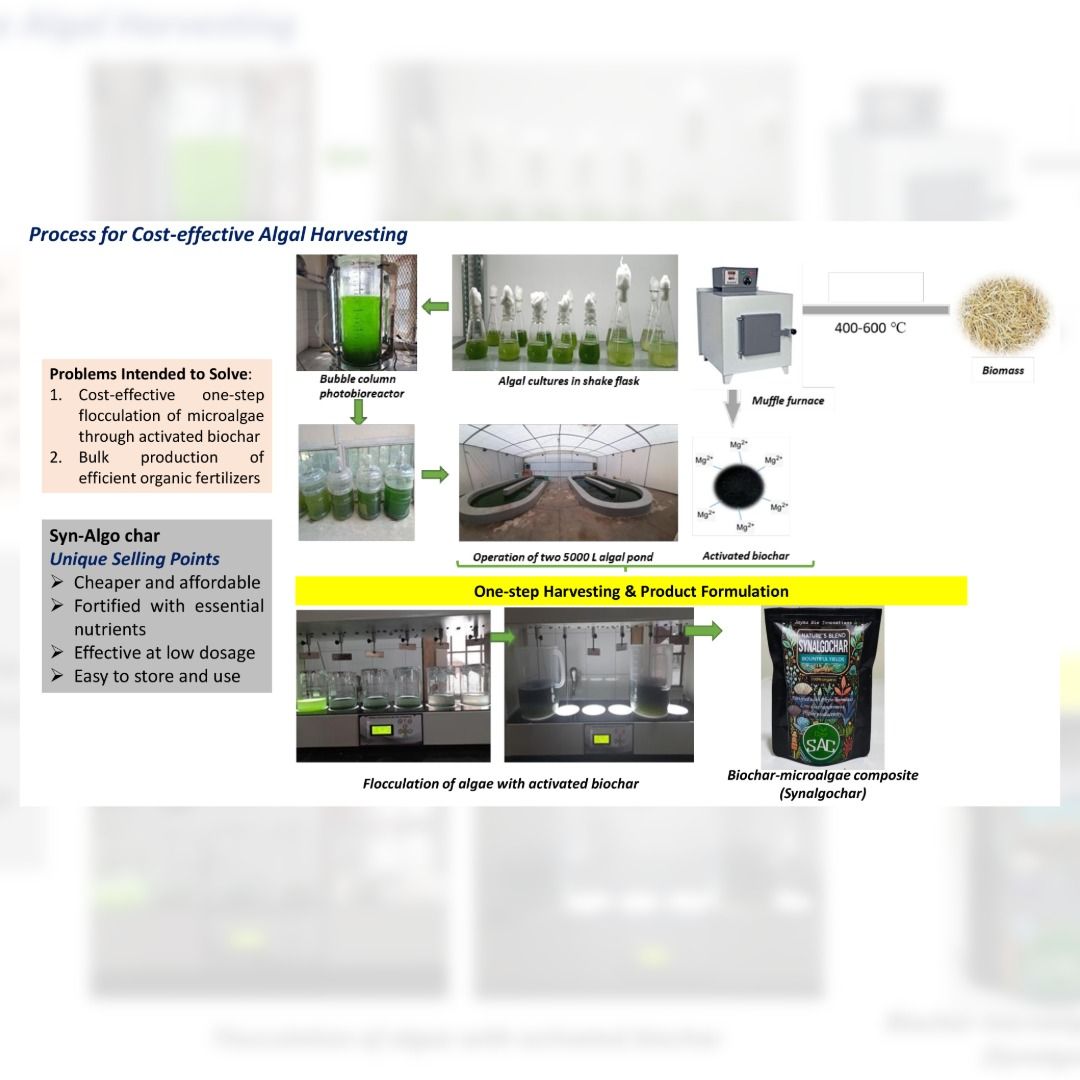
Microalgae that turn wastewater into fertiliser and fuel
Microalgal biorefinery systems couple wastewater treatment and carbon capture with the production of biochar biostimulants, fertilisers and renewable energy.